Is Heat Soak Bad for Engine Performance?
You floor the throttle after a long uphill pull or a hot afternoon on the road. Instead of a sharp response, your truck feels flat as heat builds under the hood. That fading performance often points to heat soak, a quiet condition that drains power during demanding use.
Many truck owners exploring auto performance tuning wonder, “Is heat soak bad for the engine?” after noticing weaker response in high heat. The good news is that the warning signs are easy to spot once you know what to look for. In this guide, 5 Star Tuning explains what causes heat soak and how to manage it.
What Heat Soak Does to Your Engine
Heat soak develops when underhood components absorb heat from the engine and exhaust system. That heat can raise intake air temperatures, which reduces air density before combustion.
So when drivers ask, “Is heat soak bad for the engine?” the concern is usually about performance loss. The biggest impact often appears in turbocharged engines, where compressed air already gains heat before reaching the cylinders, especially under sustained boost.
As temperatures rise, the ECU may adjust timing or boost to protect the engine. The result can be sluggish throttle response and reduced engine power under sustained load.
Common Sources of Engine Bay Heat
Several factors contribute to high underhood temperatures, especially during towing or summer driving. The following sources can raise engine bay heat and affect nearby intake components:
- Turbo and exhaust manifold: These parts radiate strong heat that can warm nearby intake parts and sensors.
- Boost pressure compression: Forced induction raises charge air temperature before the intercooler begins cooling it.
- Trapped airflow: At low speeds, hot air can linger under the hood rather than moving out.
How To Reduce Heat Soak Effectively
Heat soak upgrades help manage intake temperatures, while an overheated engine requires a separate cooling system check. The upgrades below can help reduce intake heat and limit power loss:
- Upgraded intercooler core: A well-matched intercooler can help the engine receive cooler, denser air during repeated pulls.
- Heat shields and wraps: These reduce radiant heat transfer from exhaust parts. They can help protect nearby intake parts and sensitive electronics.
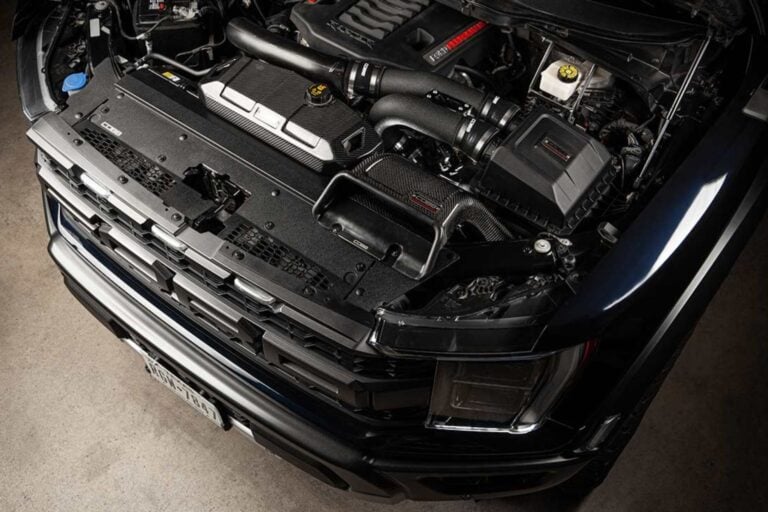
- Cold-air intake routing: Pulling air from outside the engine bay can keep incoming air temperatures lower. Proper routing matters because hot underhood air can reduce performance.
- Improved airflow management: Vents, ducts, or better sealing help hot air move out faster. This reduces heat buildup around intake parts after long pulls.
Take Control of Heat Soak With 5 Star Tuning
Now that you understand whether heat soak is bad for your engine, you can take repeated power loss more seriously. Understanding forced induction also helps you choose cooling upgrades that fit your setup. We help drivers manage this process with smarter tuning and proven cooling upgrades that match each platform.
We design and sell tuning products that ship to customers worldwide. From our Florence, SC shop, we also support Jeep owners and performance-focused truck drivers. Call (843) 536-1244 today and let 5 Star Tuning help you take control of your engine temperatures.