How To Improve Your Vehicle’s Throttle Response
You press the accelerator to merge, but the vehicle hesitates. When the right changes are matched to the vehicle, auto performance tuning can help reduce that delayed feeling. If you have been wondering how to increase a vehicle’s throttle response, this guide from 5 Star Tuning explains what causes a lag and which practical fixes may help.
What Throttle Response Actually Means
Throttle response describes how quickly the engine reacts to driver input. A sharp response feels immediate and predictable, while a sluggish one may make elements like acceleration feel delayed or disconnected.
Newer vehicles tend to use electronic systems rather than a direct mechanical link between the pedal and the engine. This factory setup, sometimes called drive-by-wire, may add a few extra milliseconds of processing time for emissions and safety reasons. That’s part of why your vehicle’s throttle response may feel dull right out of the box.
Common Signs of a Sluggish Throttle Response
Sluggish throttle response often shows up as:
- Delayed acceleration
- Inconsistent power delivery
- Rough low-speed starts
These symptoms can either point to a maintenance issue or a calibration problem.
Where Throttle Lag Comes From
Throttle lag often starts with restricted airflow or uneven combustion. A dirty intake can limit how quickly the engine builds power, while worn spark plugs may delay the response between pressing the pedal and feeling acceleration. Checking basic maintenance first can help rule out simple causes before looking at performance upgrades.
Factory tuning can also affect throttle feel. Many vehicles use conservative throttle mapping for smoother driving and drivetrain protection.
Practical Ways To Sharpen Throttle Response
Figuring out how to increase a vehicle’s throttle response is easier with practical methods to follow. For example:
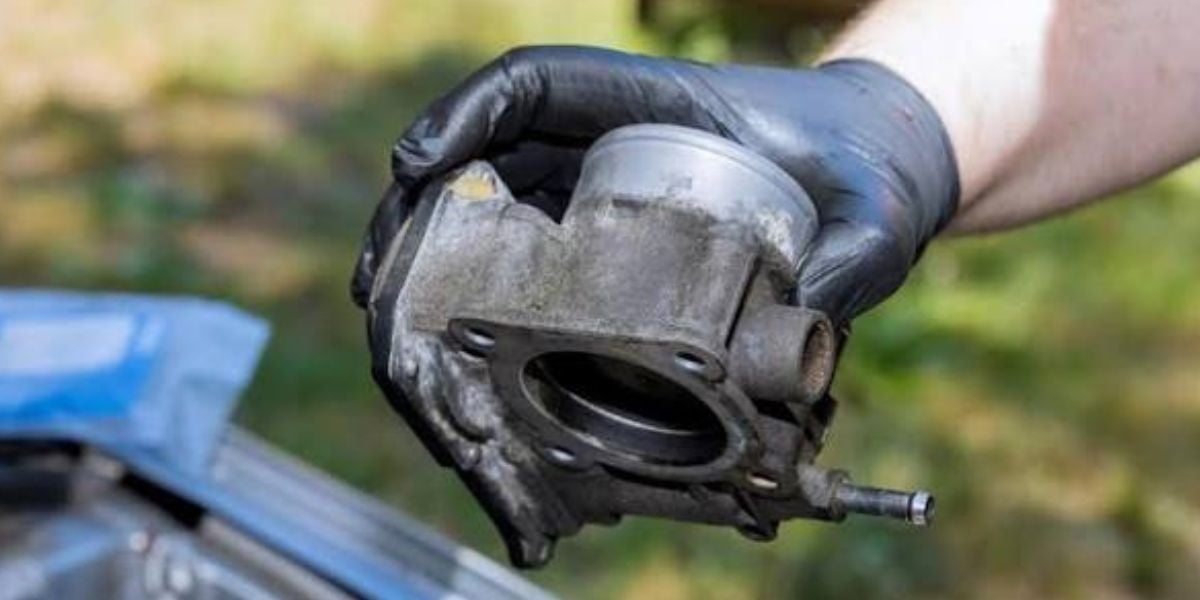
- Cleaning a throttle body can improve airflow and help the engine respond smoothly.
- A higher-flow air intake system may boost engine performance optimization.
- A worn or failing sensor can create false lag due to less accelerator pedal sensitivity.
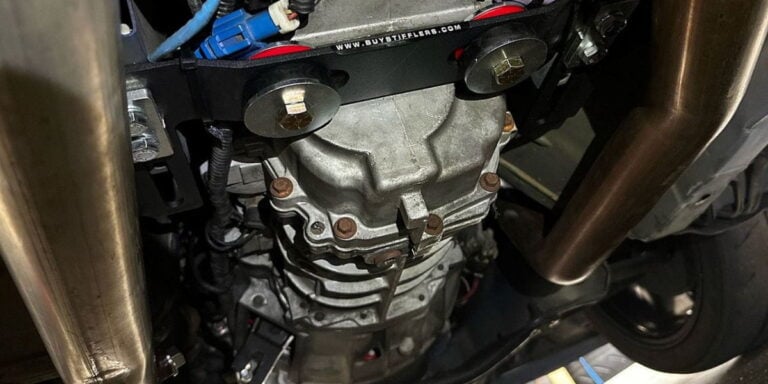
- Reducing exhaust backpressure may help the engine move spent gases out more efficiently, supporting a faster throttle response.
A proper inspection can help identify which upgrades fit your vehicle best.
The Role of ECU Tuning and Throttle Controllers
Engine control unit (ECU) tuning adjusts how the vehicle’s computer interprets pedal input. A well-calibrated tune smooths out flat spots in the power curve and reduces delays.
Electronic throttle controller devices offer a simpler alternative for drivers who want a quicker change without altering the factory tuning. These plug-and-play units adjust the pedal signal to the throttle body, which can noticeably reduce the lag you feel.
Improve Your Vehicle’s Throttle Response and More With 5 Star Tuning
Once you know how to increase a vehicle’s throttle response, the next step is choosing an upgrade that matches your vehicle and driving goals. At 5 Star Tuning, we offer truck tuners and vehicle performance products through an e-commerce store, along with local tuning support at the shop in Florence, SC.
No matter what causes throttle lag, the team can help you with upgrades that address the real issue. Give 5 Star Tuning a call at (843) 536-1244 to explore the many throttle response improvement options available.