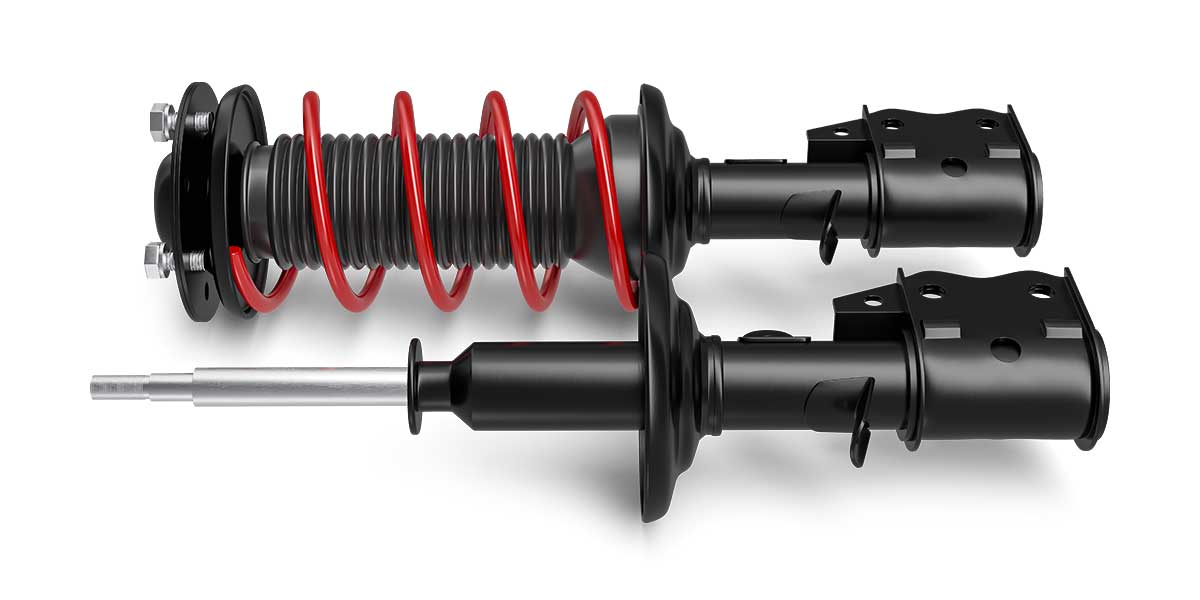
The Difference Between Shocks and Struts
You’ve probably heard mechanics talk about shocks and struts, but do you really understand what sets them apart? Many drivers use these terms interchangeably, yet they represent distinct components with different roles in your vehicle’s performance. If you’re considering investing in auto performance parts, knowing these differences helps you make smarter decisions.
In this guide, 5 Star Tuning will explain struts versus shocks so you know why they matter for your vehicle.
What Are Shock Absorbers?
Shock absorbers control your vehicle’s spring and suspension movement by converting kinetic energy into heat. They dampen the bouncing motion that springs create when you hit bumps or rough terrain.
Your shock absorbers work through hydraulic fluid displacement. A piston forces fluid through tiny orifices, which create resistance and slow suspension movement, keeping your tires planted on the road.
What Are Struts and How Do They Differ?
Struts serve dual purposes that make them fundamentally different from shocks. First, they provide the same damping function as shock absorbers. Second, they act as a major structural component of your suspension system and steering control.
A strut replaces the upper control arm and ball joint found in conventional suspensions. This makes struts lighter and more compact than traditional shock setups. When struts wear out, your alignment can shift, and your steering may feel imprecise.
Struts vs. Shocks: Key Differences in Design and Function
The fundamental distinction between struts and shocks lies in their integration with your vehicle’s chassis. Shocks are individual components that work alongside separate springs. They don’t provide structural support.
Struts combine the damping unit with a coil spring in a single assembly that supports your vehicle’s weight.
Your vehicle might have shocks on one axle and struts on another. There’s no universal configuration.
How Shocks and Struts Impact Your Driving Experience
Shocks and struts each help to maintain ride comfort and vehicle stability by keeping your tires in consistent contact with the road surface. This directly affects your ability to steer, brake, and accelerate safely.
Modern suspension systems adapt to different driving conditions for optimal performance. When shocks or struts degrade, you face uneven tire wear patterns, reduced traction, and shortened tire lifespans.
Signs Your Shocks or Struts Need Replacement
Worn suspension components compromise your vehicle’s stability and safety. You should inspect these parts after 50,000 miles or according to your manufacturer’s schedule.
Watch for warning signs like excessive swaying when turning, nose-diving during braking, continued bouncing after hitting bumps, or uneven tire wear patterns. You may also notice fluid leaking around the component’s exterior or unusual noises when turning.
5 Star Tuning Handles Your Suspension Needs
Understanding the differences between struts versus shocks helps you recognize when your vehicle needs attention. At 5 Star Tuning, we specialize in suspension system repairs and performance upgrades that enhance your vehicle’s handling and ride quality.
If you’re also considering other upgrades, check out our guide on terrain tires to complete your vehicle’s transformation. Call 5 Star Tuning today at (843) 536-1244 to schedule your suspension inspection in South Carolina or shop our performance products online.